If your earplugs keep falling out when you sleep, the problem is usually not that earplugs cannot work for you. It is usually that the fit is off for actual bedtime use.
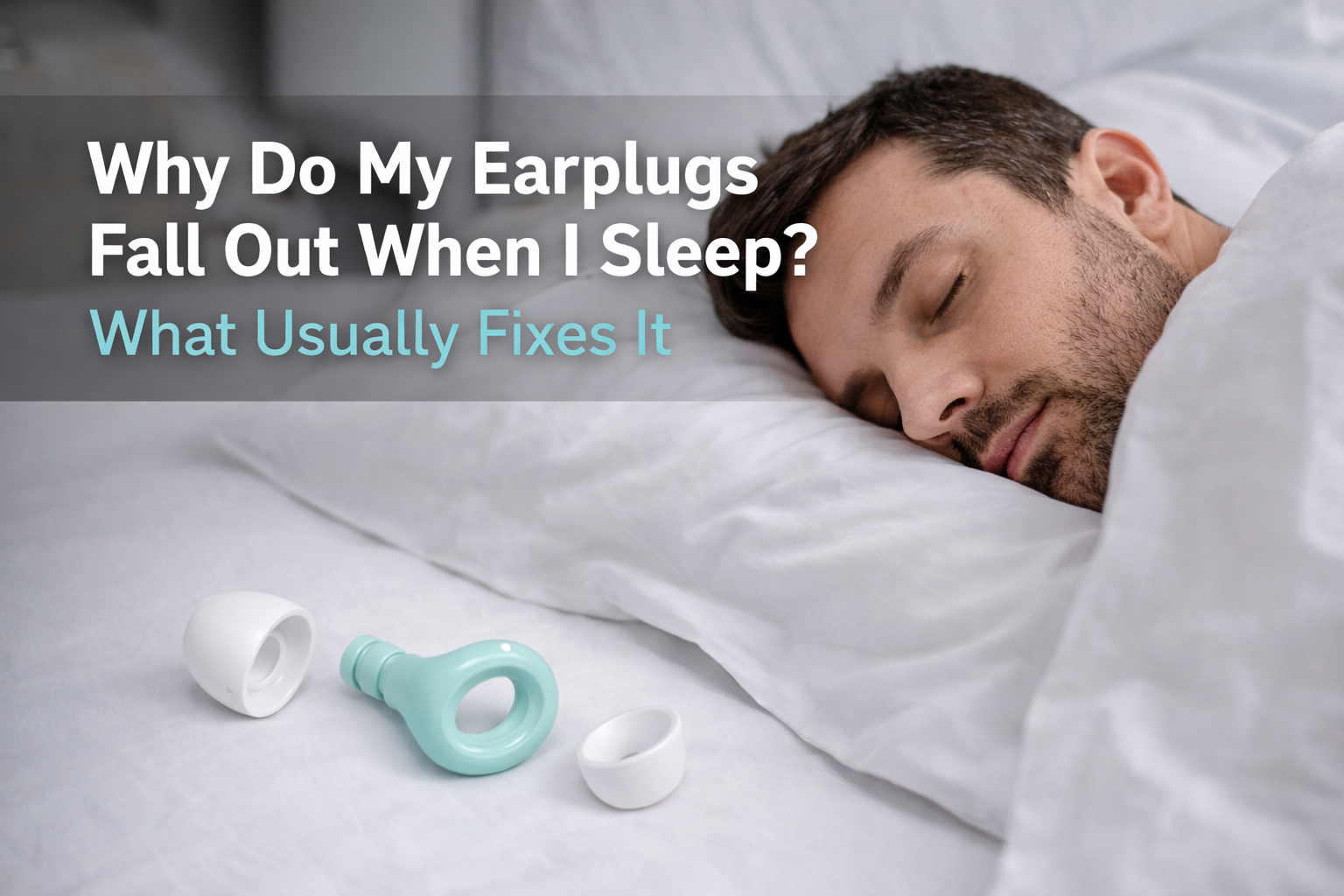
A pair can feel fine while you are upright, reading, or settling down, then start shifting once one ear presses into the pillow for hours. That is why this question comes up so often. Sleep changes the test.
Quick Answer
Earplugs usually fall out at night because they are too loose for your ear, too bulky for your sleep position, or simply not stable enough once pillow pressure gets involved.
Often the fix is smaller than people expect. Check whether the slipping happens mostly on one side, whether your pair came with fit options you have not tried yet, and whether the earplugs still feel clean, soft, and worth trusting for repeat use.
If you want the short version, start here:
- Reassess fit before you assume earplugs just do not work for you
- Pay attention to whether side sleeping is pushing the pair loose
- Stop forcing a pair that needs constant overnight readjustment
- If the current pair feels like a compromise, move toward a softer option with fit choices
Why Earplugs Can Fall Out More at Night Than During the Day
Bedtime adds a few problems that daytime wear does not.
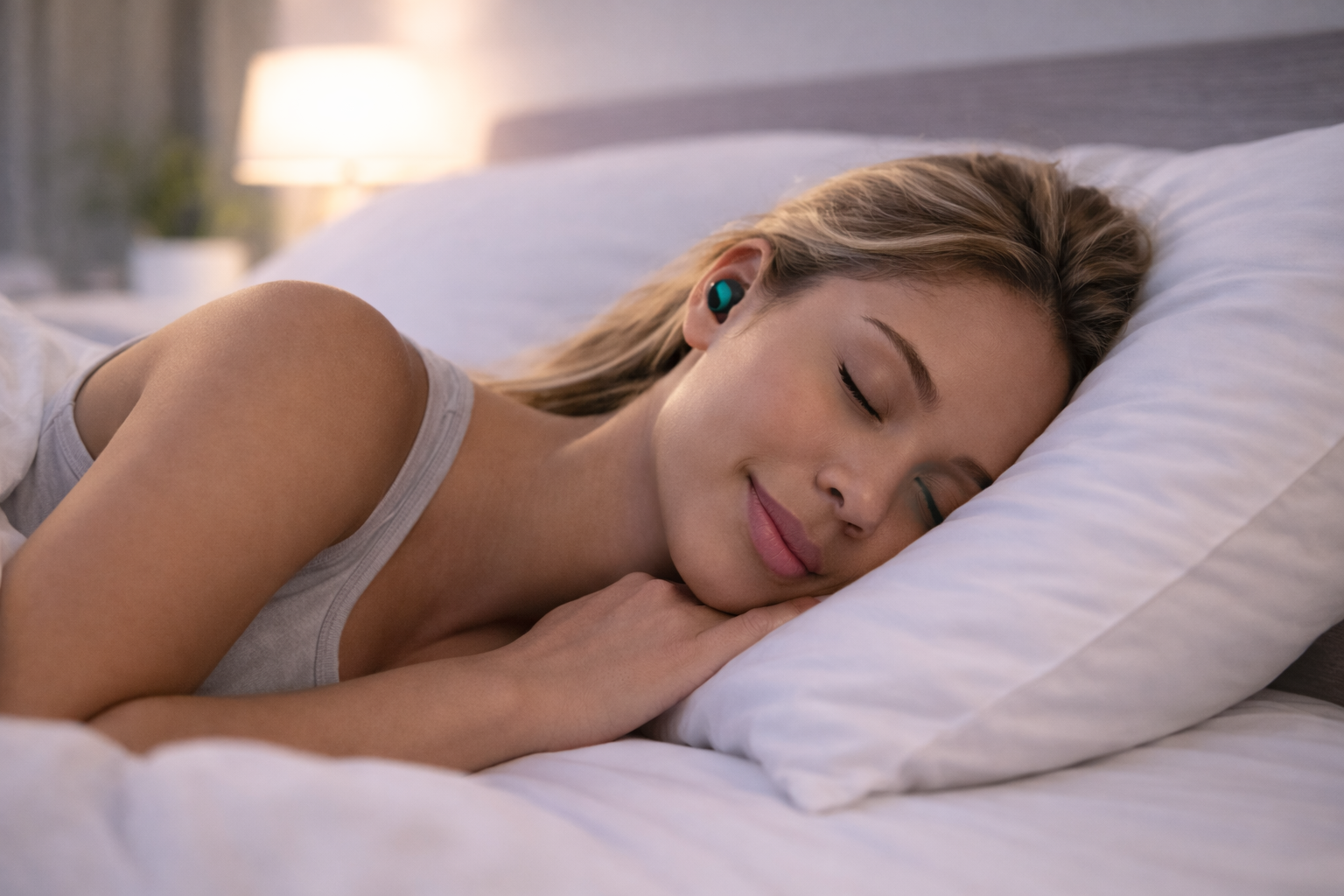
The biggest one is position. When you lie down, especially on your side, one ear stays pressed into the pillow. That changes how the earplug sits and how much pressure it takes from the outside. A pair that felt secure while you were upright can shift once your head settles into the mattress.
The other issue is time. A pair does not need to feel fine for ten minutes. It needs to stay comfortable and stable for hours. That is a different standard.
This is why sleep-friendly earplugs are not just about noise reduction. They also need to stay in place without turning into something you keep noticing all night.
The Most Common Reasons Your Earplugs Keep Loosening
Most retention problems come back to the same few things.
| What is happening | What it often means | What to try first |
|---|---|---|
| They feel loose from the start | The fit or shape is not secure enough | Try another included size or fit option if you have one |
| They stay in until you lie on your side | Pillow pressure is shifting them | Reassess sleep-position comfort and lower-profile fit |
| One side keeps slipping more than the other | Your sleep position or that side's fit is the issue | Troubleshoot the side that fails first |
| They keep coming loose after repeat use | The pair may be dirty, worn, or no longer reliable | Clean them properly or replace them if the material looks off |
| You keep pushing them back in overnight | The pair is probably wrong for regular sleep | Stop forcing the routine and consider a different design |
The Fit Is Probably Too Loose or Too Awkward
This is still the first thing to suspect.
Earplugs need enough contact to stay in place, but not so much pressure that they start hurting. That balance is why one-size-fits-all can go wrong so easily. A pair can be too loose and unstable, or too forceful and uncomfortable, and both problems can lead to a bad night.
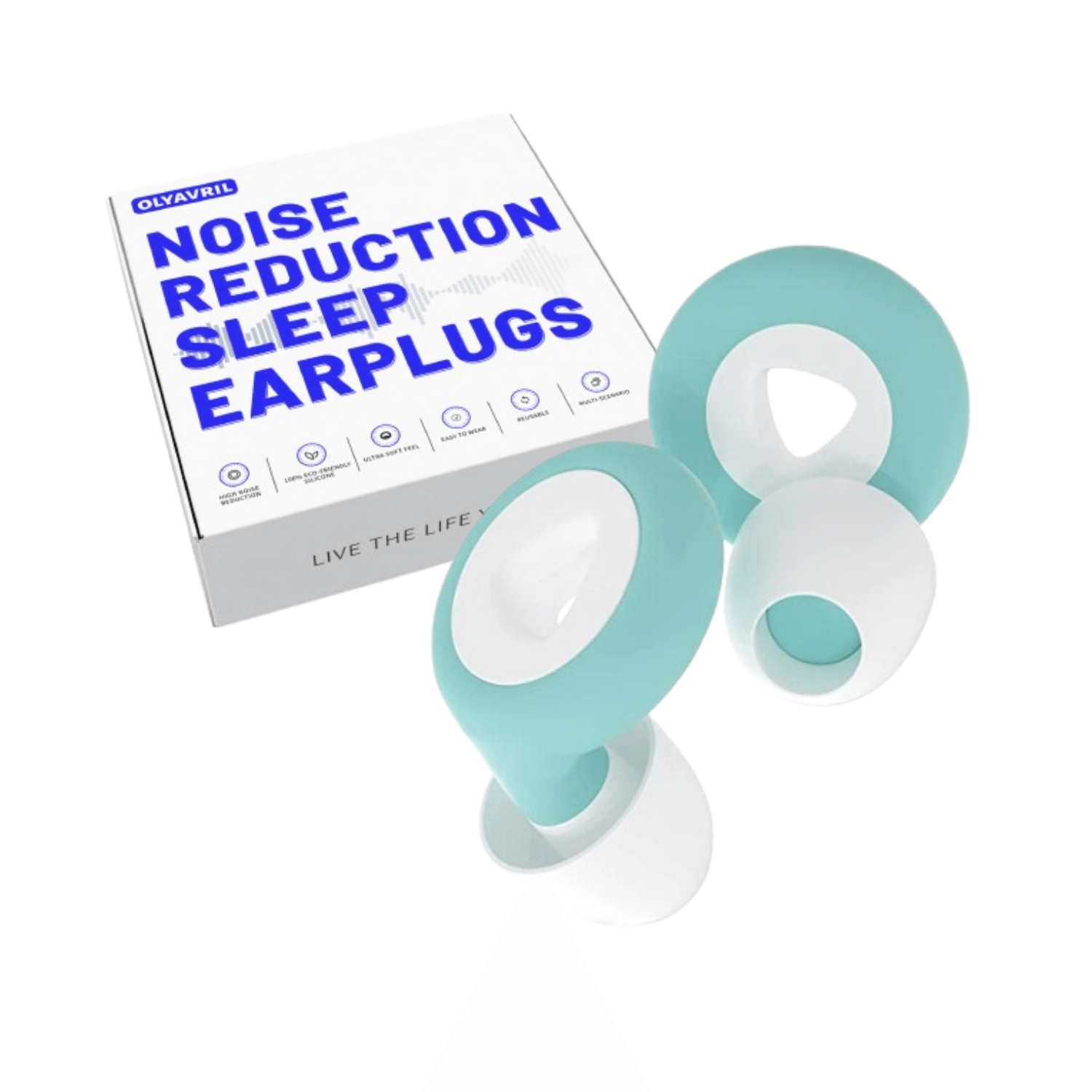
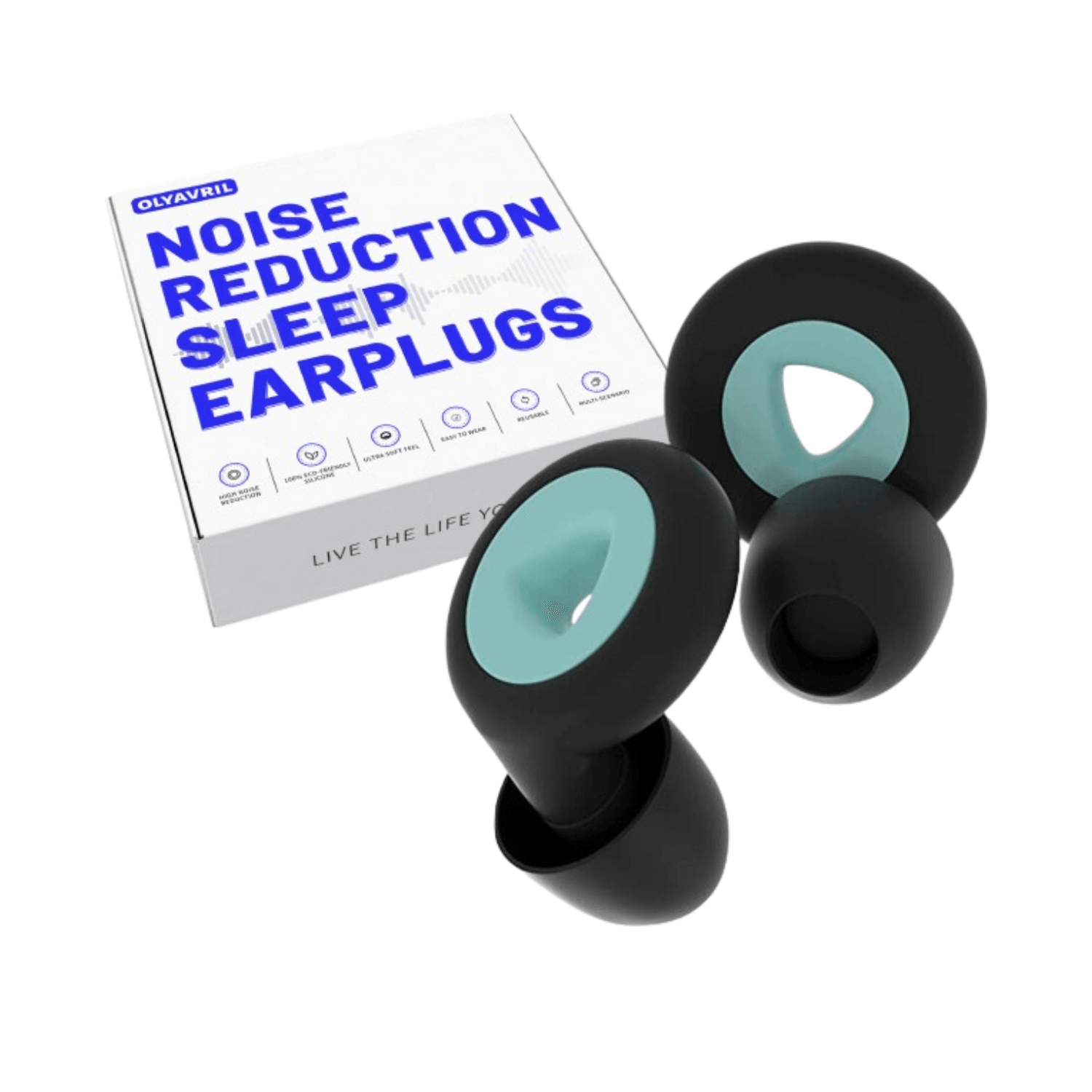
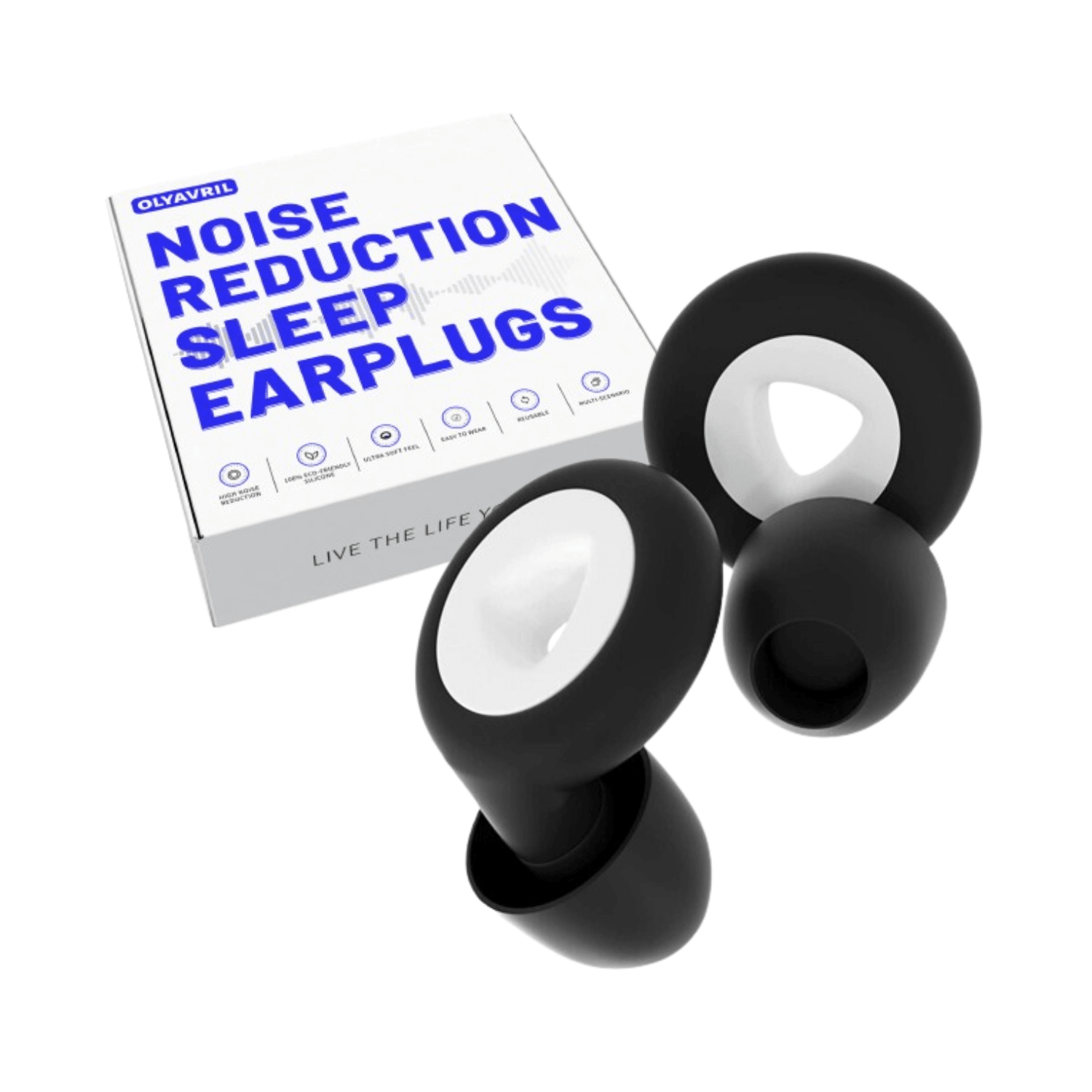
If your earplugs came with different tips or fit options, use them. The current Olyavril catalog is built around that idea, with multiple filter sizes and ear tips included rather than one fixed feel. That matters because a pair that stays in for one person may not sit the same way for another.
Side Sleeping Changes Everything Fast
If the slipping mostly happens on the side pressed into the pillow, that is already a useful clue.
The issue may not be that the earplugs are bad. It may be that the shape sits too far out, the fit is not stable enough once the pillow pushes against it, or the pair simply feels better while you are upright than it does in bed.
That is where the side-sleeper question overlaps with the retention question. If this sounds like your situation, best earplugs for side sleepers is the most useful follow-up because pillow pressure changes what counts as a good fit.
Repeat Use Can Expose a Weak Pair
Sometimes the issue is not just fit. It is the condition of the pair.
Reusable earplugs need to stay clean and in decent shape if you want the fit to stay predictable. The cleaning guide on this site makes the point clearly: cleaning helps maintain a good pair, but it does not bring a worn one back. If the material looks rough, stiff, damaged, or just less dependable than it used to, that matters.
If you think upkeep is part of the problem, how to clean reusable earplugs is the right next read.
What To Change Tonight Before You Give Up
You do not need a complicated checklist here. You need a sensible order.
1. Figure Out Whether the Problem Is One Ear or Both
If one earplug stays in and the other keeps slipping out, focus on the side that fails first.
That usually points to sleep position, pillow pressure, or a side-specific fit issue. It is better information than a vague feeling that these just do not work.
2. Reassess the Fit Instead of Repeating the Same Setup
If your pair includes other sizes or tips, this is the moment to use them.
Do not keep running the same setup for a week and call that a real test. The review data in this repository even includes one simple line that fits this problem well: switching to smaller tips fixed it. That does not prove smaller is always right. It does show that fit changes can matter more than people expect.
3. Pay Attention to Whether the Pair Feels Too Noticeable Against the Pillow
Some earplugs do not exactly fall out because they are loose. They fall out because they get pushed around all night.
If the pair feels bulky, pokey, or overly present against the pillow, the retention problem may really be a comfort-and-shape problem. In that case, this guide on why earplugs hurt your ears can help you separate a fit problem from a retention problem.
4. Stop Forcing a Pair That Keeps Needing Attention
This is where people lose time.
If you have to keep putting the earplugs back in, adjusting them half asleep, or waking up annoyed because one has landed somewhere in the bed again, the current pair is not doing the job well enough for sleep. That is useful information.
What Kind of Earplugs Usually Work Better for Sleep Retention
If your current pair keeps coming loose, look for a calmer design before you look for a more dramatic claim.
For actual sleep use, the most useful features are usually:
- Soft material
- A low-pressure feel
- More than one fit option
- A shape that does not fight the pillow
- A design that feels realistic for repeat use
That is why the current Olyavril catalog fits this topic naturally. The product data here stays grounded in soft silicone, a low-pressure fit, up to 33dB noise reduction, multiple included filter sizes and ear tips, and a carrying case. Those details matter because they support real-night use better than a one-size, one-night approach.
If you want to compare the full range first, start with the earplugs collection. If you want one concrete example, the Mist Green earplugs are the clearest product page. If you want the short explanation behind the fit angle, Why It Works is the right explainer.
What Not To Expect
It helps to be realistic about this.
No earplug stays in perfectly for every sleeper, in every position, on every pillow. Sleep is messy. People move. Bedding changes things. Fit changes things even more.
It also helps not to assume the strongest-looking option will solve the problem automatically. A pair can promise more blocking and still be wrong for sleep if it feels too harsh, too prominent, or too unstable once your head hits the pillow.
The better goal is simpler than that: find a pair that stays in well enough, feels calm enough, and fits easily enough that bedtime stops turning into a small repair job.
Final Takeaway
If your earplugs keep falling out when you sleep, start with fit, sleep position, and pair condition before you assume earplugs are not for you.
Most of the time, the problem is practical. The pair is too loose, too noticeable against the pillow, or not built well enough for repeat overnight use. Once you fix that part, the whole routine usually gets easier.
And if your current pair keeps slipping, hurting, or making you rework the setup every night, it may be time to switch to a softer option with better fit choices instead of trying to force one shape to work forever.
FAQ
How do I keep earplugs from falling out while I sleep?
Start by checking fit, sleep position, and whether one side is the real problem. If your pair includes multiple sizes or tips, try them instead of assuming the first setup was close enough.
Does side sleeping make earplugs fall out more easily?
Often, yes. Side sleeping adds pillow pressure, and that can shift a pair that already sits a little too far out or feels unstable once you lie down.
Should I use a bigger size if my earplugs keep slipping out?
Maybe, but not always. The useful answer is to reassess fit rather than guessing in one direction. A different size or tip can help, but the goal is stable comfort, not just a tighter feel.
When should I replace reusable earplugs that keep coming loose?
If the pair looks worn, feels rough, seems less dependable than before, or no longer feels worth trusting after cleaning, replacement makes more sense than endless troubleshooting.