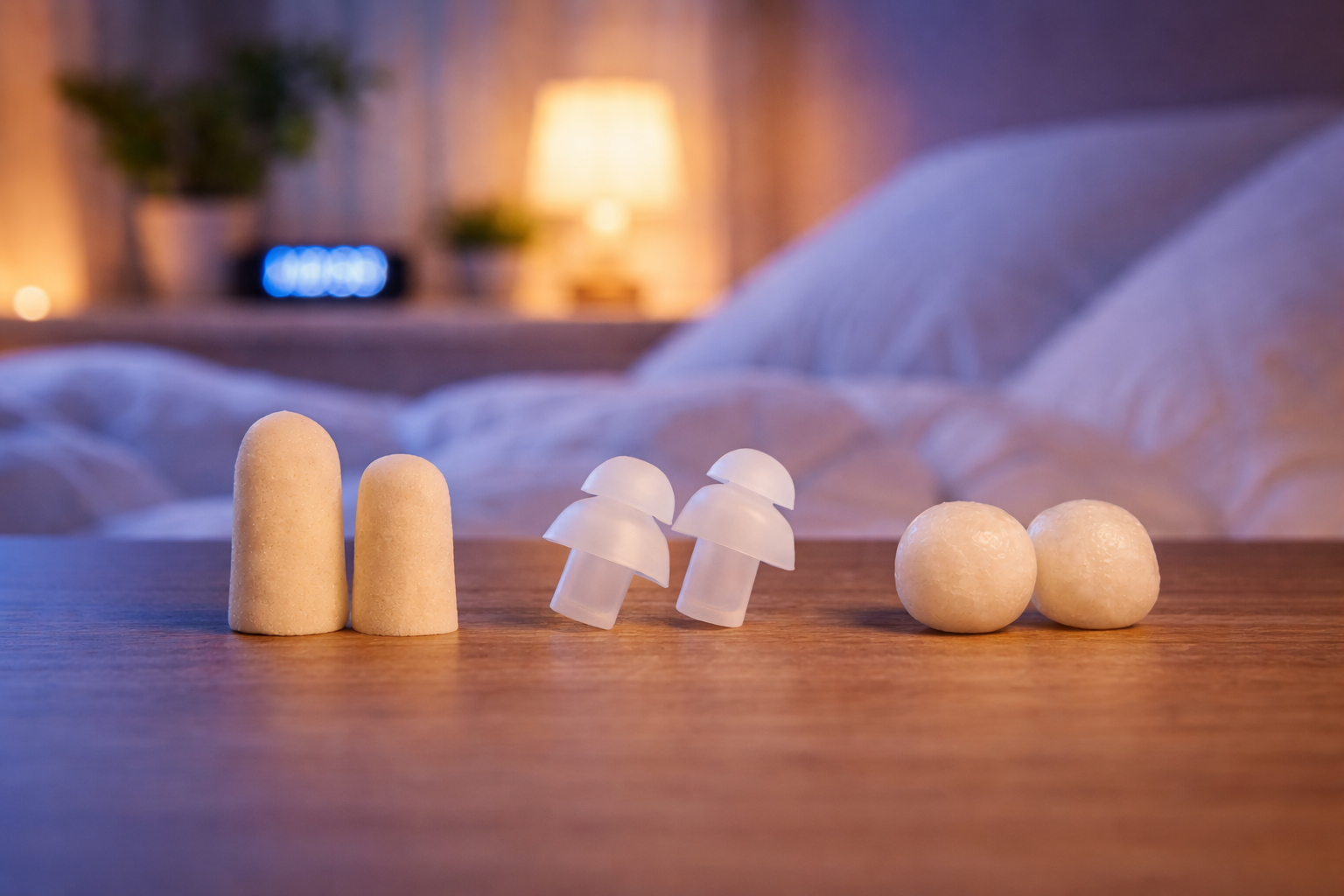
If you are comparing foam vs silicone vs wax earplugs for sleep, the short answer is this: foam usually gives the strongest seal, while wax and moldable silicone usually feel gentler if you dislike deep insertion or sleep on your side.
That broad answer still misses one important detail. Silicone is not one single experience. Some silicone sleep plugs are moldable and sit over the ear opening, much like wax. Others are reusable earplugs designed for repeat wear with a more defined fit. So the label matters, but the way the earplug sits matters more.
Quick Answer
For heavier noise, foam is often the strongest-feeling option because it expands inside the ear canal. Wax and moldable silicone usually feel softer because they seal over the opening instead of sitting deep in the ear. Reusable soft silicone often makes the most sense when you want a pair you can keep using night after night.
If you want the fastest buying filter, ask yourself three things:
- Do I want the strongest possible seal, or a gentler feel?
- Do I sleep on my side?
- Do I want one pair for repeat use, or a simpler sleep-only option?
Foam vs Silicone vs Wax at a Glance
| Material | How it usually sits | Often best for | Main tradeoff |
|---|---|---|---|
| Foam | In the ear canal, where it expands after insertion | Stronger-feeling noise reduction | Can feel too intrusive for some sleepers |
| Wax | Molded over the ear opening | Gentle feel and simple sleep use | Less practical if you want one pair for repeated everyday use |
| Moldable silicone | Molded over the ear opening | Comfort-first sleep use similar to wax | Easy to confuse with other silicone styles |
| Reusable soft silicone | Depends on the design, but built for repeat wear | Nightly use, travel, and everyday noise | Fit still matters, so not every shape suits every ear |
What Each Material Usually Feels Like at Bedtime
Foam Earplugs
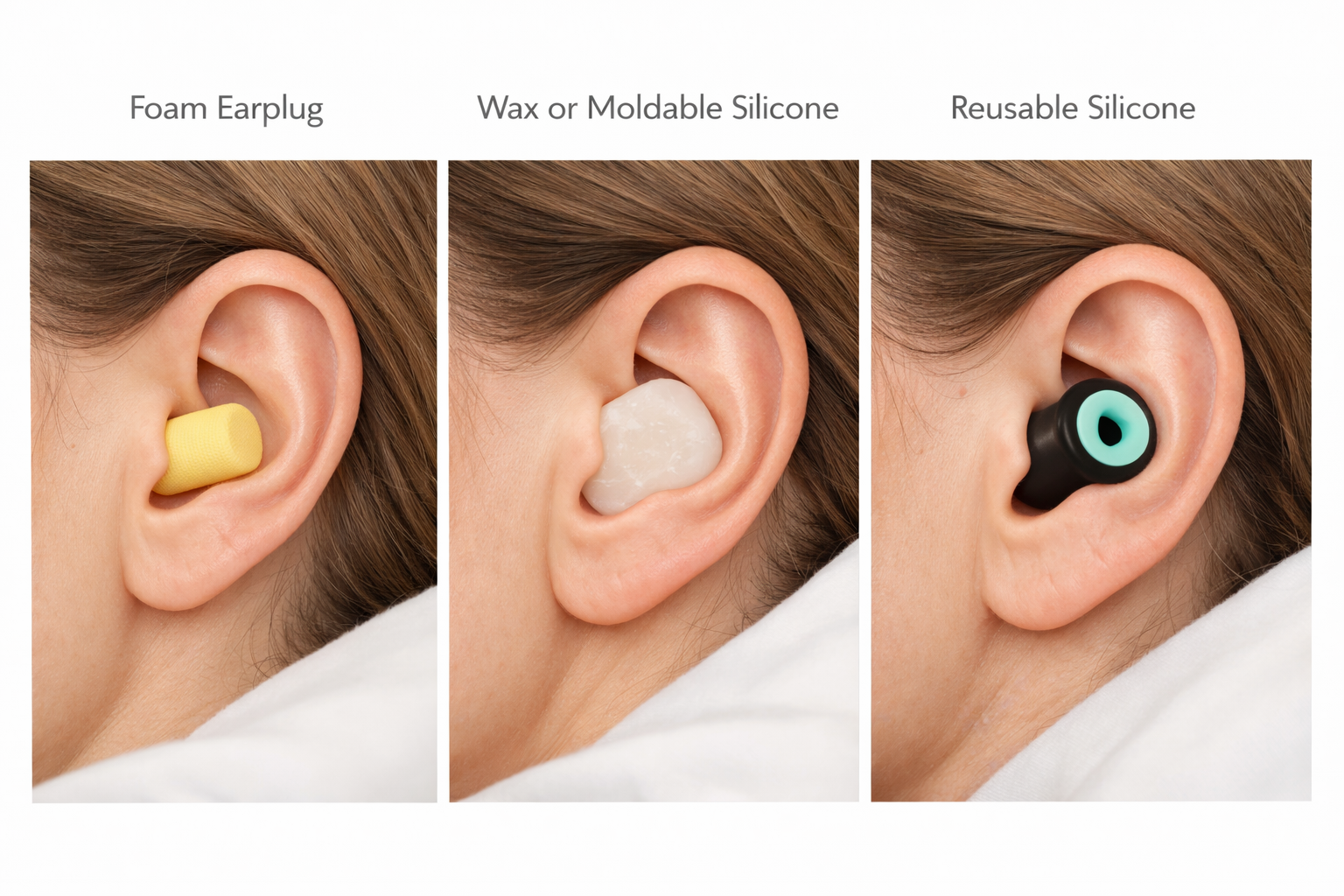
Foam earplugs are the version most people picture first. You roll them down, insert them, and let them expand in the ear canal. That deeper seal is why they often feel stronger for blocking outside noise.
The downside is comfort. If you are sensitive to pressure, if you sleep on your side, or if you simply notice anything in your ears once your head hits the pillow, foam can start to feel like too much product instead of background help.
Wax Earplugs
Wax earplugs work differently. Instead of going deep into the ear canal, they are shaped over the opening to create a seal. That can feel softer and less intrusive, which is why plenty of people like wax for sleep.
Wax often makes the most sense when comfort is the first priority and you want a simple bedtime option. It is usually less appealing if you want one pair to keep moving between sleep, travel, and daytime noise.
Silicone Earplugs
Silicone is where this comparison gets blurry if you are not careful.
Moldable silicone behaves a lot like wax. You soften it, shape it, and press it over the ear opening. Reusable silicone earplugs are different. They are usually built more like a repeat-wear product, with a defined shape and fit system rather than a putty-like seal.
That is why "silicone" is not really a full answer by itself. You still need to know which type you are looking at.
Which One Is Usually Best for Side Sleepers
If you sleep on your side, comfort tends to decide the issue faster than raw noise reduction.
Side sleepers are dealing with two pressures at once: the room noise itself and the physical pressure of the pillow against the earplug. A pair that feels fine while you are upright can feel completely different once one ear is pressed into the mattress for hours.
That usually means:
- Foam can work well for stronger reduction, but some side sleepers find it too noticeable.
- Wax and moldable silicone often feel easier because they do not sit as deep in the ear.
- Reusable soft silicone can be a strong middle ground if the design stays low-pressure and gives you more than one fit option.
If side sleeping is your main issue, this guide on best earplugs for side sleepers goes deeper into pillow pressure, fit, and what usually becomes uncomfortable overnight.
Which Material Makes the Most Sense for Snoring, Apartment Noise, or Travel
The best pick shifts a little depending on what is keeping you awake.
- For snoring, many people want enough reduction to soften an irregular sound without making the earplugs themselves the new distraction.
- For apartment noise or light street noise, comfort and repeat use often matter more than chasing the strongest possible seal.
- For travel, a reusable pair is often more practical because it can move between sleep, transit, and general daily noise.
If snoring is the main reason you are shopping, the next useful read is how to sleep next to a snoring partner without losing rest.
When Reusable Silicone Makes the Most Sense
Reusable silicone earplugs make the most sense when you want something that fits into normal life instead of solving one noisy night.
That usually means:
- You want one pair for sleep, travel, and everyday noise
- You care as much about comfort as about reduction
- You want fit options instead of one default shape
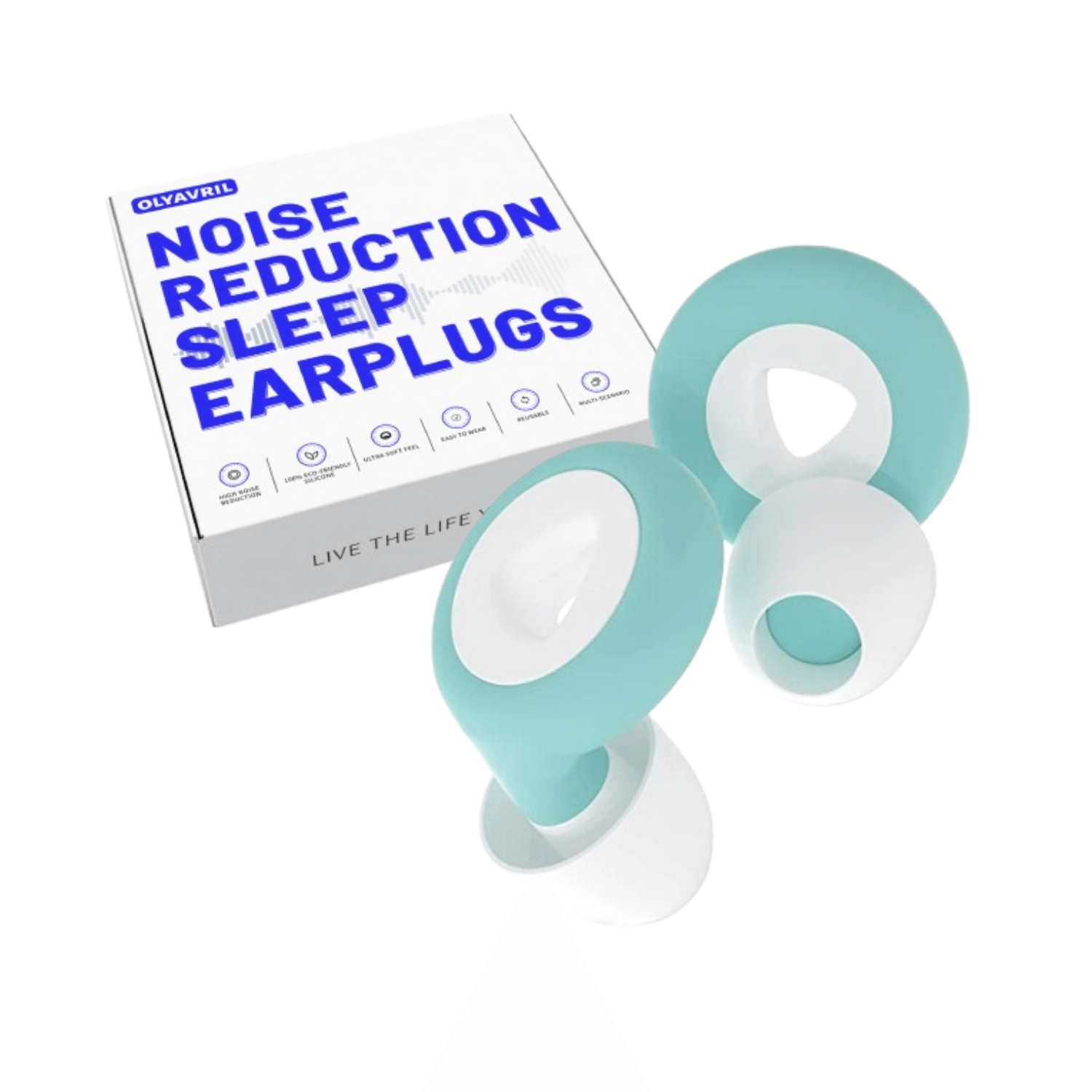
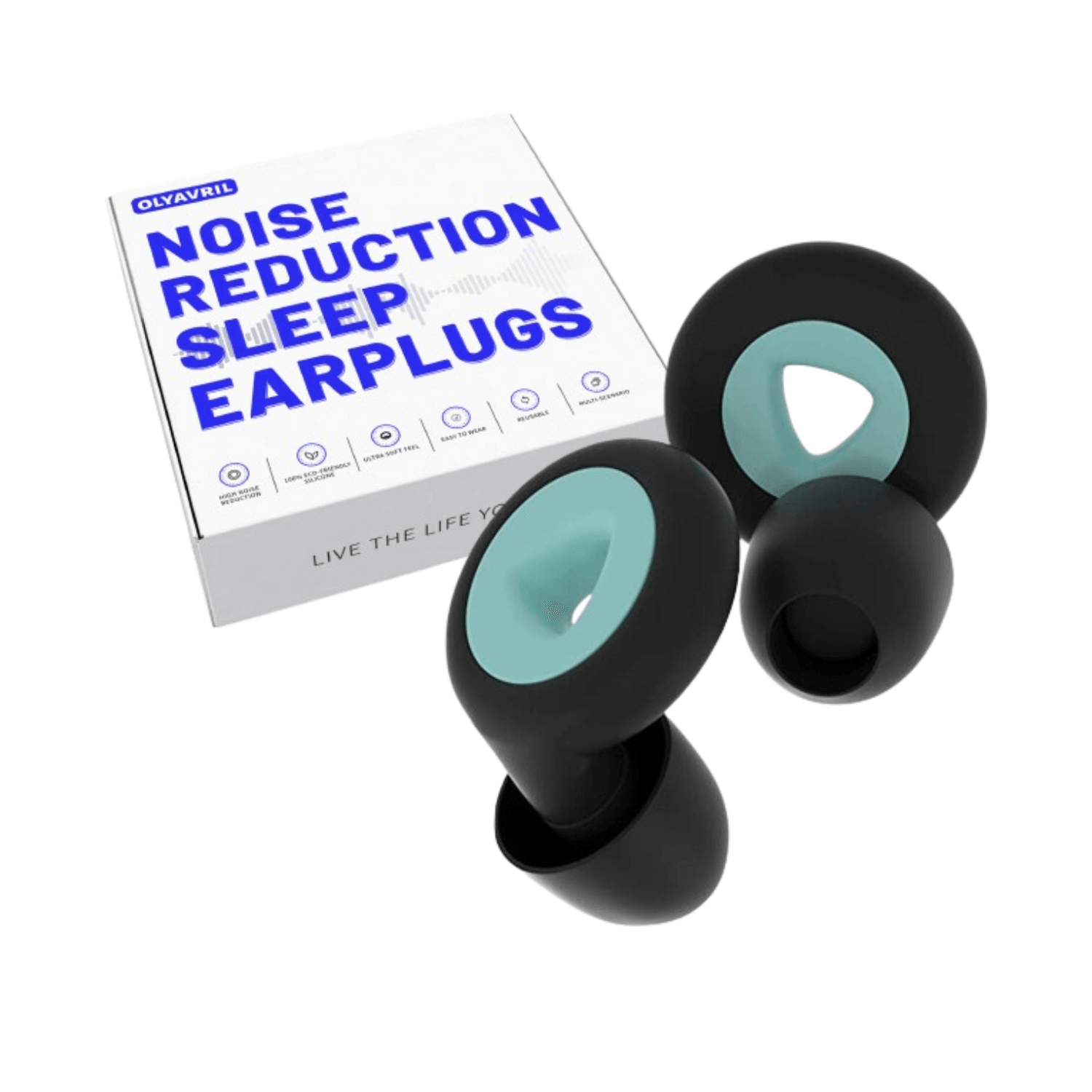
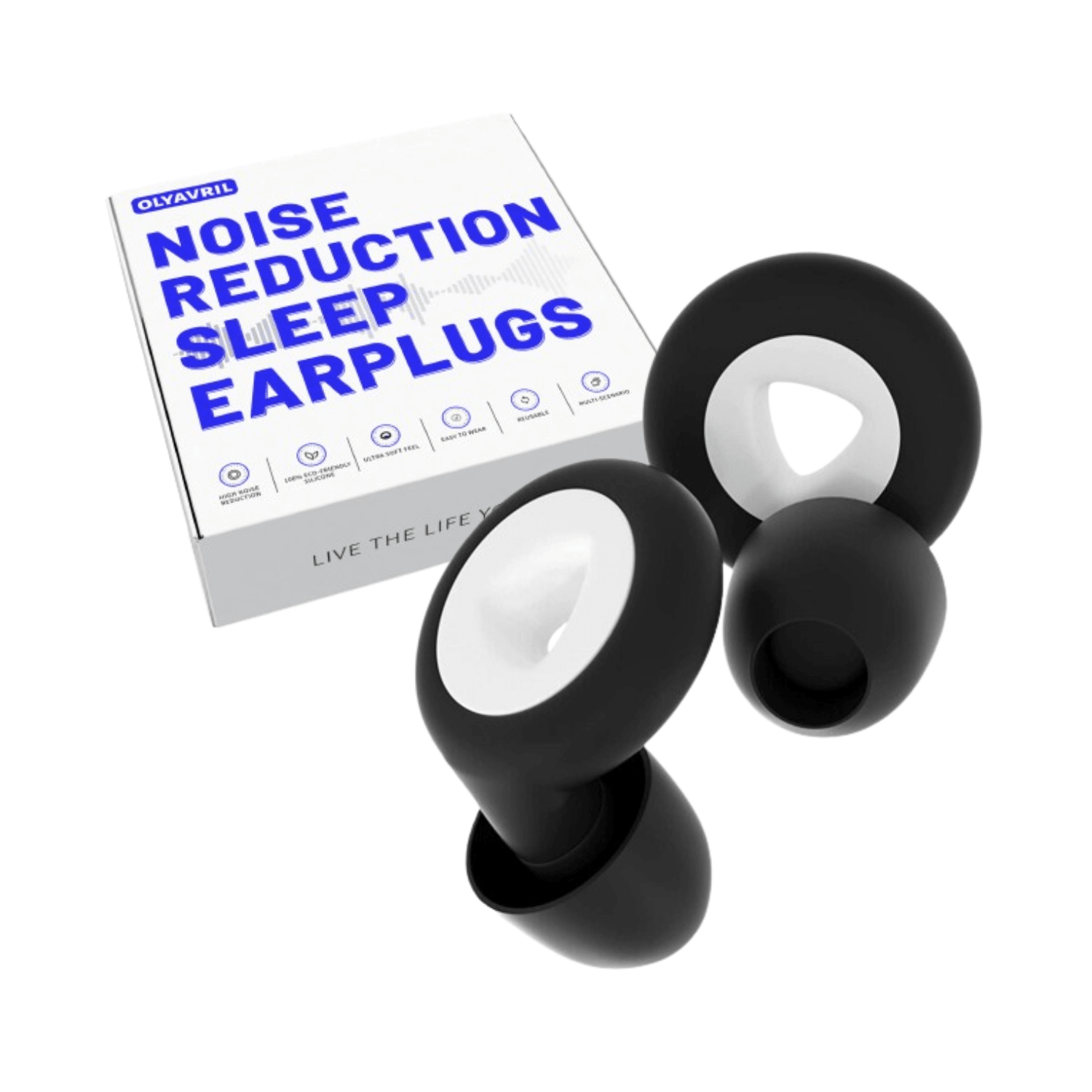
That is where the Olyavril catalog fits this topic well. The product data here is built around ultra-soft silicone, up to 33dB noise reduction, multiple filter sizes and ear tips, and a reusable case. That matters because it gives people more room to find a comfortable routine instead of forcing one feel on everyone.
If you want to compare the full line first, start with the earplugs collection. If you want one concrete example, the Mist Green earplugs are the clearest product page. If you want the short explanation behind the comfort angle, the Why It Works page lays it out plainly.
What to Avoid When Choosing Sleep Earplugs
Most buying mistakes here are pretty simple:
- Choosing only by the highest noise number
- Treating all silicone earplugs as the same thing
- Ignoring sleep position
- Expecting perfect silence instead of meaningful reduction
The best material is usually the one that gives you enough quiet while still feeling easy to wear tomorrow night too.
Final Takeaway
If you want the simplest version, foam is often the strongest-feeling option, wax is often the gentlest simple sleep option, and silicone sits in the middle only if you are clear about which kind you mean.
For many people shopping for nightly use, reusable soft silicone is the most balanced place to start because it can combine a calmer feel, a more practical routine, and a better chance of finding a fit you will keep using.
FAQ
Are foam earplugs better than wax for sleeping?
Foam often feels stronger for blocking noise because it expands in the ear canal. Wax often feels gentler because it seals at the opening instead. The better choice depends on whether you care more about stronger reduction or a softer bedtime feel.
Are silicone earplugs good for side sleepers?
They can be, but the design matters. Moldable silicone and soft reusable silicone can both work well for side sleepers if the fit stays comfortable against the pillow.
Which earplug material is best for snoring?
There is no single winner for everyone. Foam can help when stronger reduction matters most, while wax or soft silicone may work better if comfort decides whether you actually keep wearing them.
Can one pair work for sleep and travel?
Yes. That is one reason reusable silicone earplugs can be practical. They are often easier to keep in your routine beyond bedtime alone.